

BVD Emergency Training
BVD Emergency Training
"Training Everyday People to Handle Everyday Emergencies"
Stop taking boring first aid courses!
Certification for Students, Professionals, and Community Member Looking To Be Prepared!
BVD Emergency Training
At our CPR and First Aid Training Windsor Headquarters we teach CPR and First Aid courses, CPR-C, AED, CPR-BLS for Health Care Professionals, Emergency First Aid and Standard First Aid. BVD Emergency Training provides everyday people with the training necessary to recognize emergencies and respond appropriately with lifesaving measures that may be critical in the saving of lives.
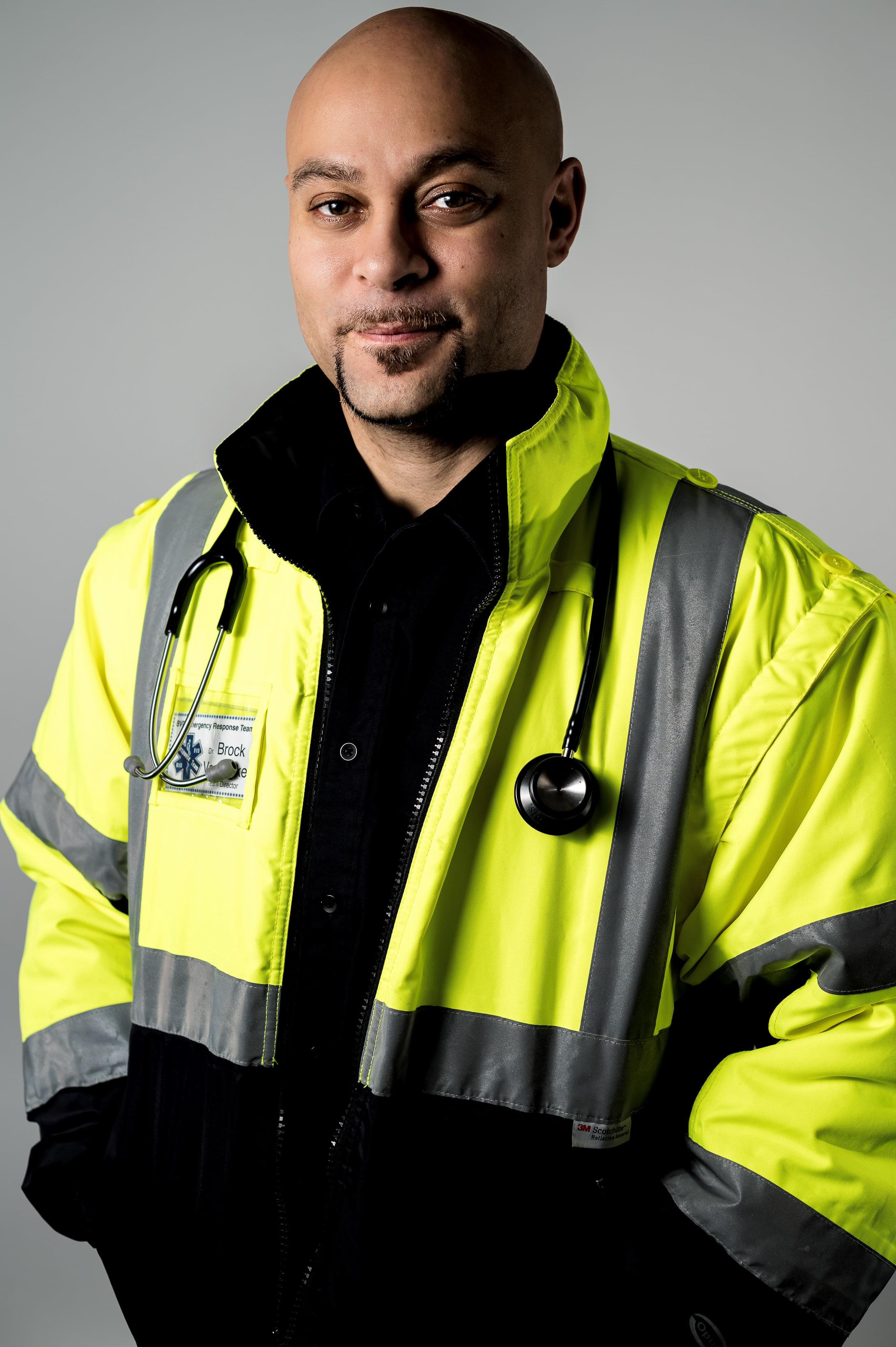
"When I first took a course it was intimidating, boring and taught without passion. Because of that experience I (Dr. Brock) teach completely opposite. University and College students deserve a practical energetic course taught by experienced instructors who work with patients everyday."
Dr. Brock Van Dyke
Primary Care Paramedic, Doctor of Chiropractic
You are in the right place if you are looking to get certified and enjoy the process!
View the video if you need HELP navigating the site and registering for a course.
Quick Registration Buttons
We usually ask, "Do you need, just CPR/AED or do you need First Aid/CPR/AED?" If you know what you need, click the correct button below for fast registration. If you need to research more the videos on each class page will help you find the class that you need. Scroll around and read the rest of the website. If you quick help, text message Dr. Brock 519-919-9235.
WHAT MAKES OUR CPR AND FIRST AID COURSES UNIQUE?
Interactive:
Adult Learning Style
Adults learn best when they take in new information, relate it to past experience and interact with a group…. then using the skills in real life scenarios brings the information home!
WSIB Approved:
Regulation 1101 and Health Canada Approved
Meet all of your requirements at the workplace. We have teamed up with the Perri-Med Program to offer the latest first aid standards ticking all of the boxes for you (view accreditation)
Practical:
Practice with Emergency Equipment
Each student will get the opportunity to practice the skills over and over again in the class using props, wounds etc, making it more likely that when a real emergency happens, you will be ready.
Fun:
Modern Style, Funny and Real Life
Modern teaching styles for modern learners! Unlike your last course, where the teacher lectured the entire course, our facilitators bring real life experience and deliver that with excitement and personality.
Did you Hear about the WSIB Approved Blended Class?
1 Day In-Class Practical:
Book your Practical Session
The blended course allows you to do one day online in advance to learn the theory and one day in class to learn the practical. This allows the course to be super practical, fun and engaging. Register for the two day class, but you only need to attend the first day. Amazing!
Theory Portion Done Online:
Complete anytime, anywhere online
The theory portion of the course should be completed online in advance of the in-class practical session. This allows the course to be completed in one day in class and online at any time, anywhere you would like. Log in on your tablet or computer, start and stop the course anytime.
Next Blended Class: Saturday Apr 4, 2026
Course Dates Listed
We have a lot of dates to choose from. Scroll up to Step 1 and click on the Course Type you want to take. Then you will see all the dates that course is offered.
- *Note: Recertification is only one day (first day)
- June 2026
- Fri Jun 5, 2026 8AM CPR
- Sat Jun 13 & Sun Jun 14, 2026
- Sat Jun 20 & Sun Jun 21, 2026
- July 2026
- Sat Jul 4 & Sun Jul 5, 2026
- Sat Jul 11, 2026 CPR C/CPR BLS
- Sat Jul 18 & Sun Jul 19, 2026
- August & September 2026
- Every Friday, Saturday and Sunday
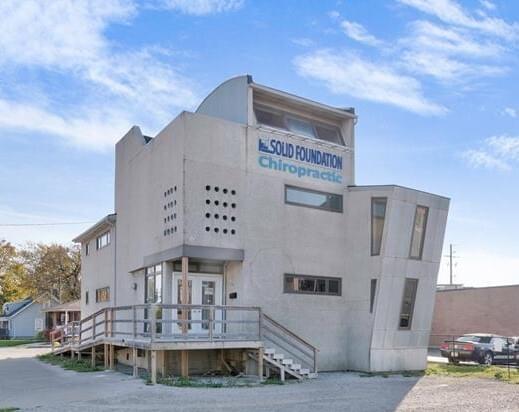
Location: 5687 Tecumseh Road East, Windsor ON N8T 1C8
Step 1: What Course do you Need to Take?
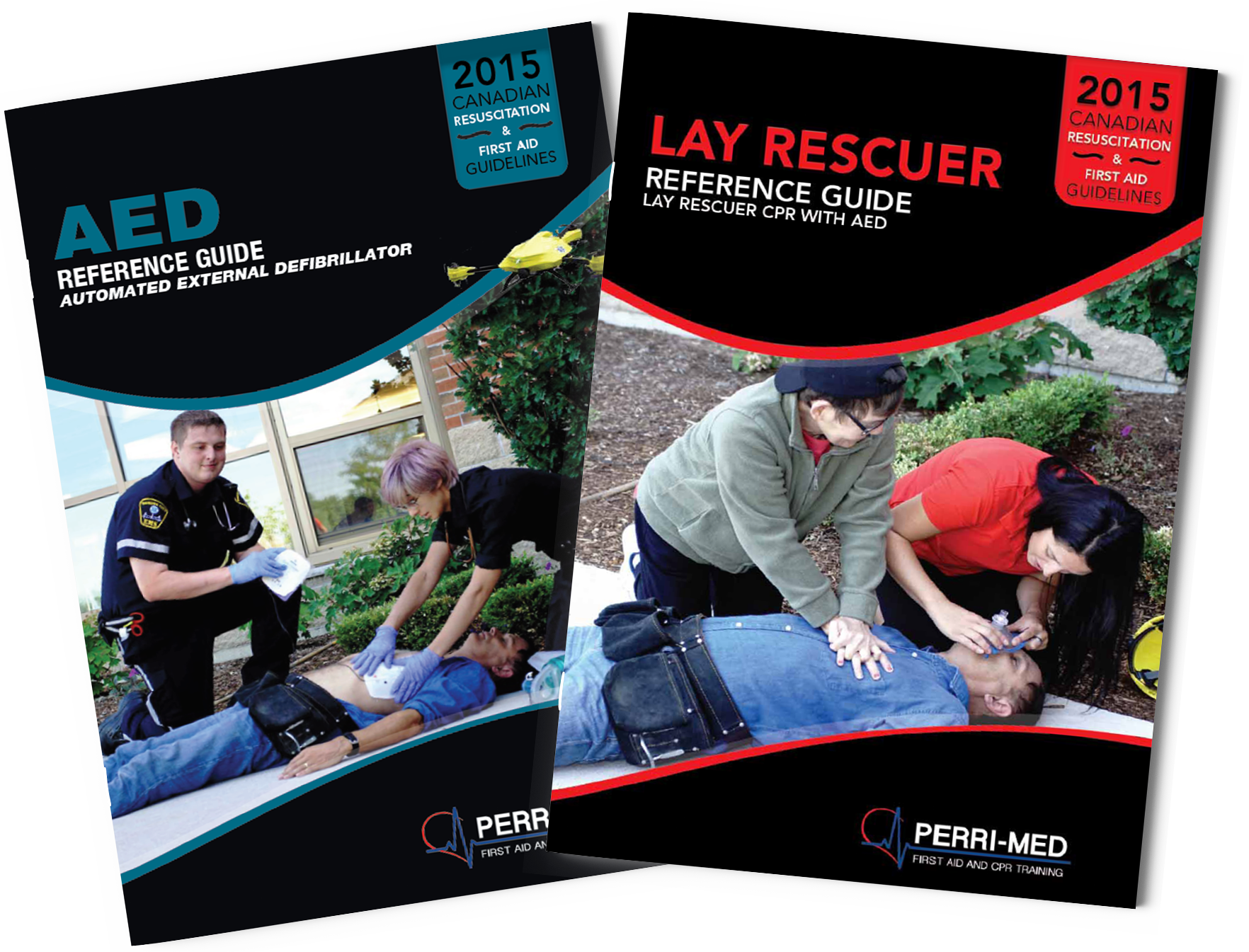
Includes: CPR-C and AED Defibrillation
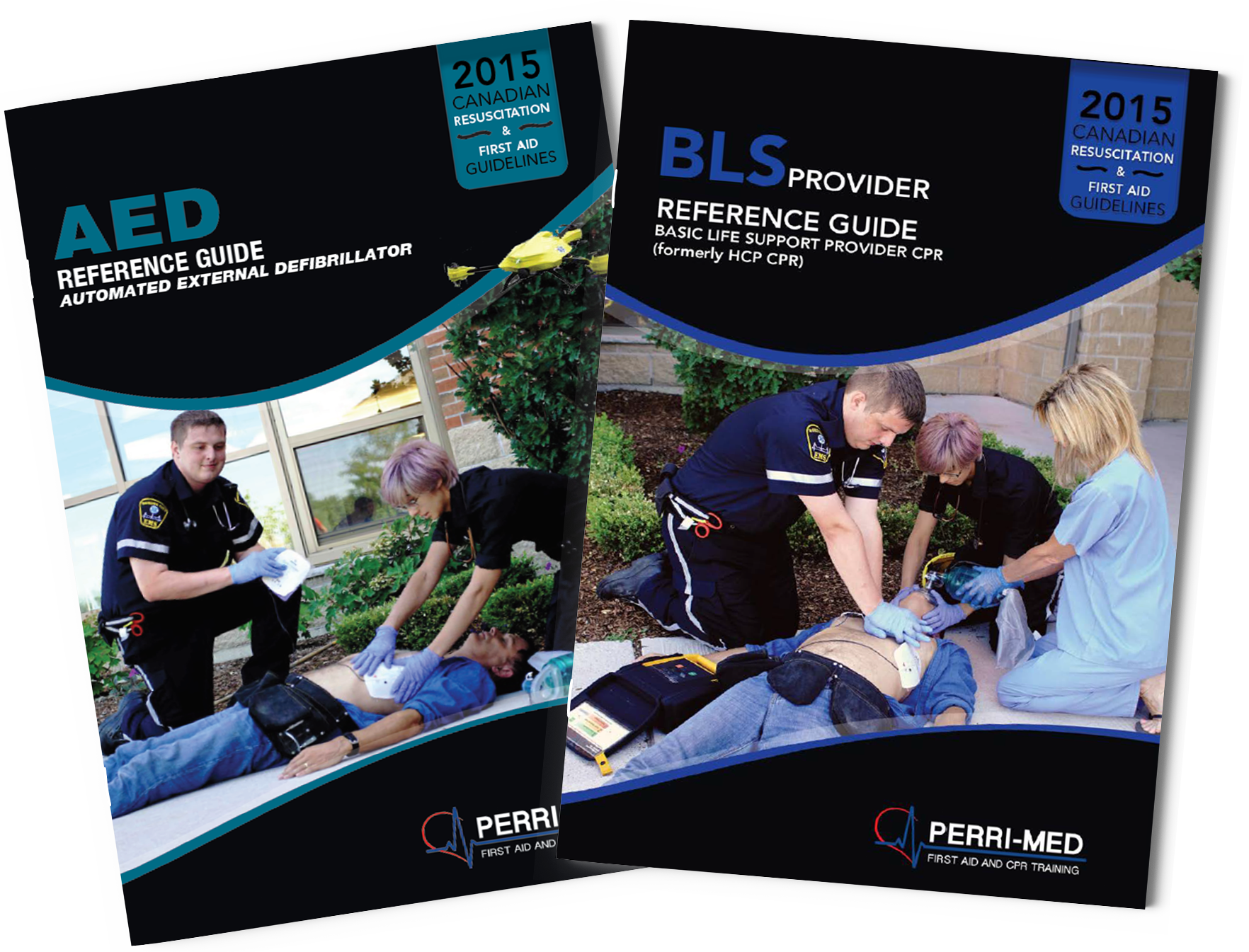
Includes: CPR-BLS HCP and AED Defibrillation

Full Course: Held Over Two Days 9am-5pm,
Recertification Course: One Day Only 9am-5pm

Full Course: Held Over Two Days 9am-5pm,
Recertification Course: One Day Only 9am-5pm
Full Course: Held Over 1 Day 9am-5pm
Theory Portion: Held in advance online at anytime,
Practical Portion: One Day Only in person 9am-5pm
Includes: CPR-C and AED Defibrillation
Includes: CPR-BLS HCP and AED Defibrillation
Full Course: Held Over Two Days 9am-5pm,
Recertification Course: One Day Only 9am-5pm
Full Course: Held Over Two Days 9am-5pm,
Recertification Course: One Day Only 9am-5pm
Full Course: Held Over 1 Day 9am-5pm
Theory Portion: Held in advance online at anytime,
Practical Portion: One Day Only in person 9am-5pm
Course Locations:
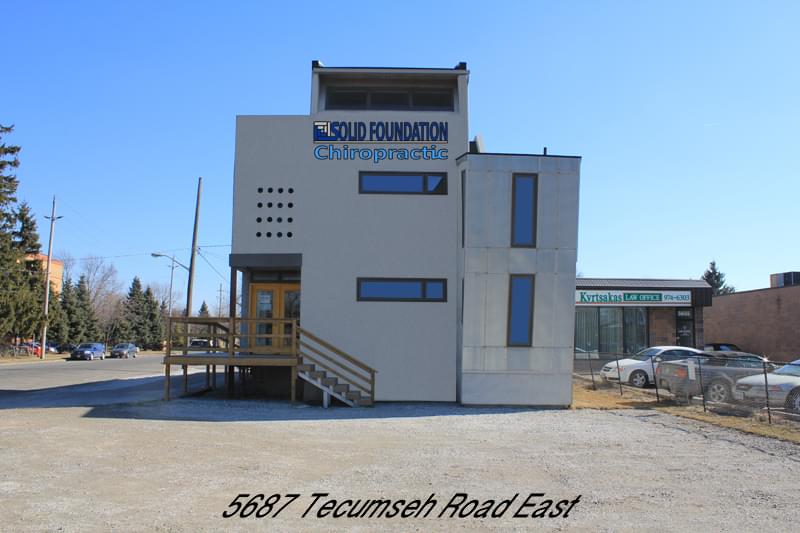
Solid Foundation, 2nd Floor Workshop Room
5687 Tecumseh Road East. Windsor, ON N8T 1C8
Location Benefits:
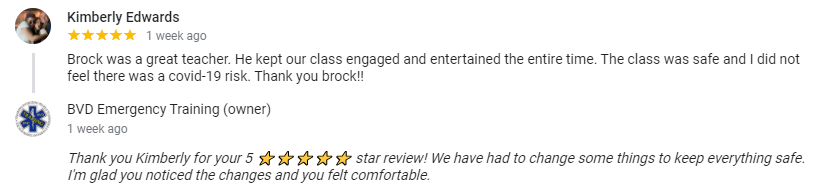
What People Are Saying:

"Thanks BVD for the great class this weekend. The upbeat instructors make this a great experience. I was expecting a painful weekend, but when you had us doing scenarios, working on group assignments and practicing our bandaging techniques it made things exciting."
Debora G
"I can tell you guys really care about our education. You are right, we are the future. I will tell all my classmates in the nursing program.
Sarah H

Why Us?
We have not done our job if you don't:
- Feel excited and comfortable using emergency equipment
- Have an amazing experience
-
Become a raving fan of BVD Emergency Training
- Have confidence to refer your friends
- Look forward to coming back for re-certification
Quick Registration Buttons
We usually ask, "Do you need, just CPR/AED or do you need First Aid/CPR/AED?" If you know what you need, click the correct button below for fast registration. If you need to research more the videos on each class page will help you find the class that you need. Scroll around and read the rest of the website. If you quick help, text message Dr. Brock 519-919-9235.
View Course Dates... just choose the course you need
Copyright © 2005 - BVD Emergency Training